Commercial Rooftop Unit Heat Exchanger Swap Gone Wrong for Too Long
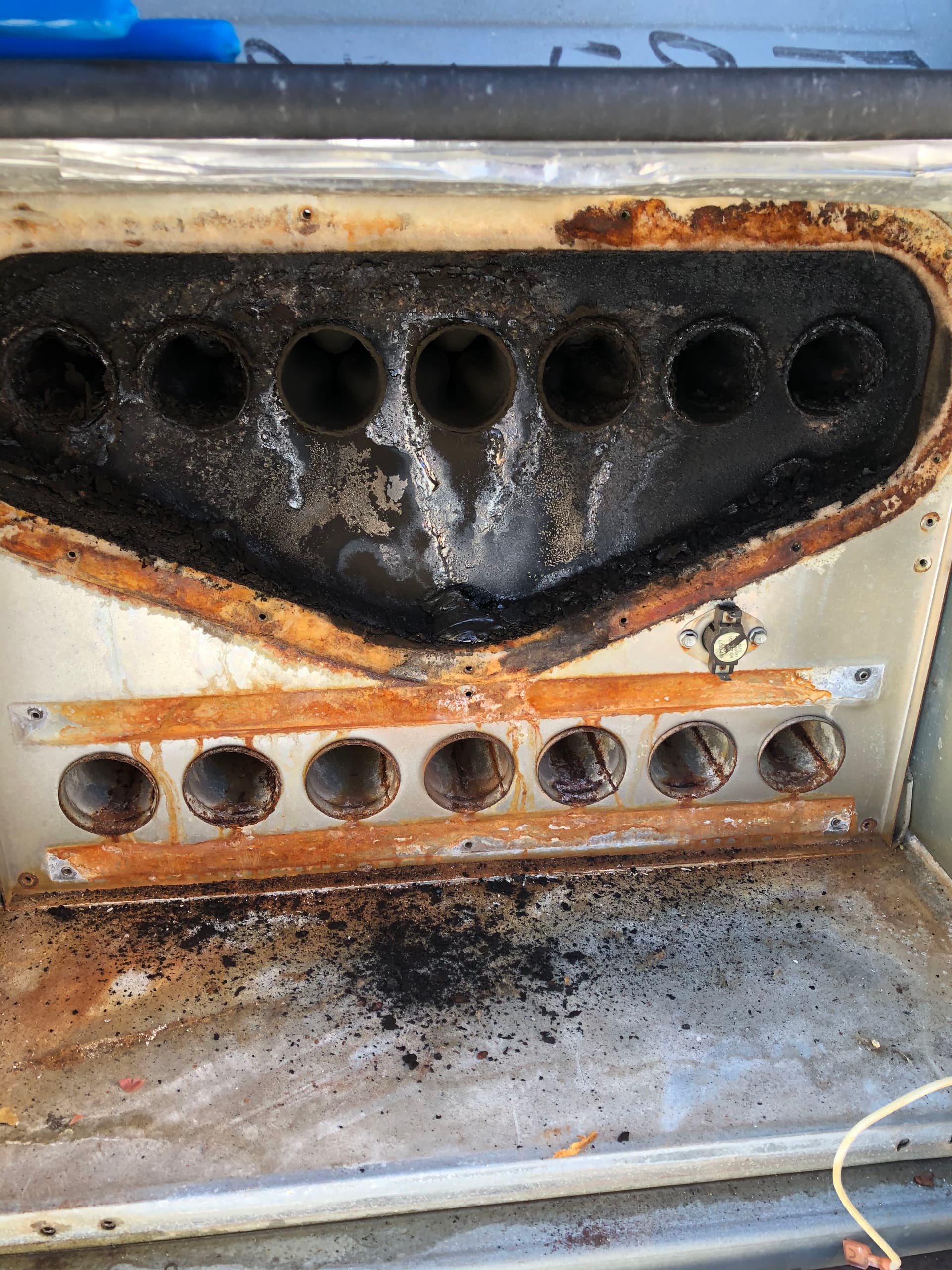
Soot buildup like this doesn't happen overnight. When we pulled open this commercial rooftop unit, here's what we were working with - a heat exchanger coated black with carbon deposits, rust eating through the casing, and debris scattered across the bottom of the unit. That level of buildup tells a story. The system had been struggling for a while, burning inefficiently and pushing those byproducts somewhere they shouldn't go.
That's the thing about a failing heat exchanger. It doesn't just hurt performance - it creates real safety concerns. Carbon monoxide, incomplete combustion, and unpredictable heating output are all on the table when a heat exchanger is this far gone. For a commercial building, that kind of issue means downtime, unhappy tenants or employees, and a repair bill that only gets worse the longer you wait.
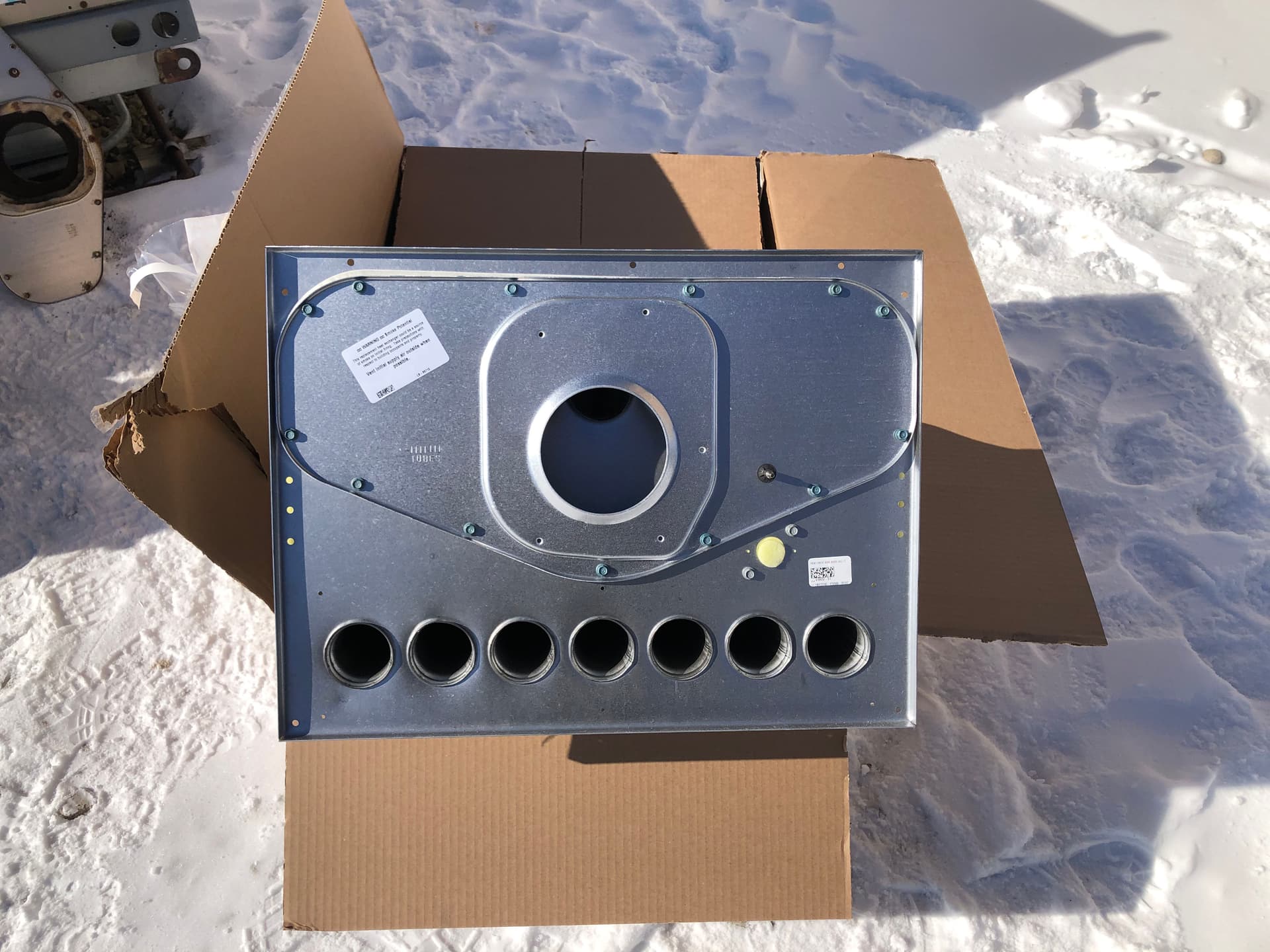
We got the old unit pulled and swapped in a brand new heat exchanger. Clean ports, solid construction, fresh out of the box. The difference between what came out and what went in is pretty hard to argue with. Getting that unit back up and running the right way - not just patched up - is the only acceptable outcome on a job like this.
This is the kind of work that sits at the core of what we do. Whether it's a rooftop package unit, a boiler system, or anything in between, we treat commercial heating equipment the same way - diagnose it properly, fix the actual problem, and make sure it's safe before we walk away. Boiler repair and boiler maintenance follow the same standard. No shortcuts.
If your commercial heating system isn't performing like it should - uneven heat, strange smells, higher-than-normal gas bills - don't wait for it to become an emergency. These problems rarely fix themselves, and catching them early is almost always cheaper than dealing with the fallout later.